



Giving Every Child the Best Start on a Healthy, Confident Smile

Four smiling young girls in summer dresses posing together outdoors

As a parent, you want the best for your child, and that includes their smile. But knowing when to see an orthodontist, what to watch for, and what early treatment actually looks like can feel overwhelming. That’s where Dr. Paul Kulits comes in.

With over 30 years of serving Snohomish County families, Dr. Paul takes a thoughtful, conservative approach to early orthodontic care. He doesn’t rush treatment. He doesn’t recommend what’s not needed. What he does do is meet your child where they are, watching, guiding, and stepping in only when the time is right. Whether your little one is seven years old with a full set of baby teeth or heading into middle school with a mix of new adult teeth coming in, an early evaluation can make a world of difference for their long-term oral health.

The American Association of Orthodontists recommends that children receive their first orthodontic evaluation by age 7. At Kulits Orthodontics, we make that visit easy, comfortable, and totally pressure-free.

Why Early Orthodontic Care Matters

Many parents assume orthodontic treatment is something you wait on, that you hold off until all the adult teeth are in. And in many cases, that’s exactly right. But there’s a window during childhood when the jaw is still growing and developing that gives us a unique opportunity to guide things in the right direction.

Early orthodontic treatment, often called Phase 1, isn’t about rushing. It’s about being smart. Catching certain issues early can simplify or even prevent more involved treatment down the road. Here’s what timely guidance can do:

Guide Jaw & Facial Growth

Gentle corrections while bones are still developing can shape a healthier, more balanced face and bite.

Create Space for Adult Teeth

Proactive care reduces crowding and makes room for incoming teeth, avoiding extractions later.

Correct Bite Issues Early

Crossbites, underbites, and deep bites are often easier to treat before growth is complete.

Break Harmful Habits

Thumb sucking, tongue thrusting, and mouth breathing can affect jaw development; we can help.

Boost Self-Confidence

A healthy smile is a confident smile. Early care means your child has more to smile about during their school years.

Simplify Future Treatment

Addressing key issues early can shorten, or sometimes eliminate, the need for braces or other treatment later on.

Smiling girl with braces sitting cross-legged on grass in a sunny park

Signs Your Child May Benefit from Early Orthodontic Evaluation

You don’t have to be a dentist to notice when something might be off. These are the signs we ask parents to watch for, and if you spot any of them, it’s a great reason to schedule an evaluation with Dr. Paul:

  • Baby teeth falling out too early or too late
  • Crowded, overlapping, or blocked-out teeth
  • Teeth that don’t meet correctly when biting or chewing
  • Mouth breathing or snoring during sleep
  • Thumb sucking or pacifier use past age 3–4
  • Difficulty chewing, biting, or speaking clearly
  • Jaws that pop, shift, or appear uneven
  • Protruding front teeth (buck teeth)
  • Crossbite, where upper and lower teeth don’t line up properly
  • An underbite or deep overbite


Don’t worry if you’re unsure, that’s exactly what our evaluation is for. Dr. Paul will take a careful look and give you an honest answer. There’s no pressure, no rush, and no unnecessary recommendations.

When Should My Child See an Orthodontist?

The American Association of Orthodontists recommends a first orthodontic checkup by age 7. This might seem early, especially if your child still has mostly baby teeth, but that’s actually the point.

At age 7, children typically have a mix of baby teeth and permanent teeth. This is the perfect time to evaluate how the jaw is developing, whether there’s enough space for incoming adult teeth, and whether any bite issues are starting to emerge.

In many cases, Dr. Paul will simply monitor your child’s growth over time, with periodic check-ins every 6–12 months. This is called being in observation, and it’s completely normal. It means we’re watching and waiting, and that we’ll recommend treatment only if and when it becomes truly necessary.

At Kulits Orthodontics, we believe in getting it right, not just getting it done. Dr. Paul’s conservative approach means your child only goes through treatment when there’s a real, lasting benefit.

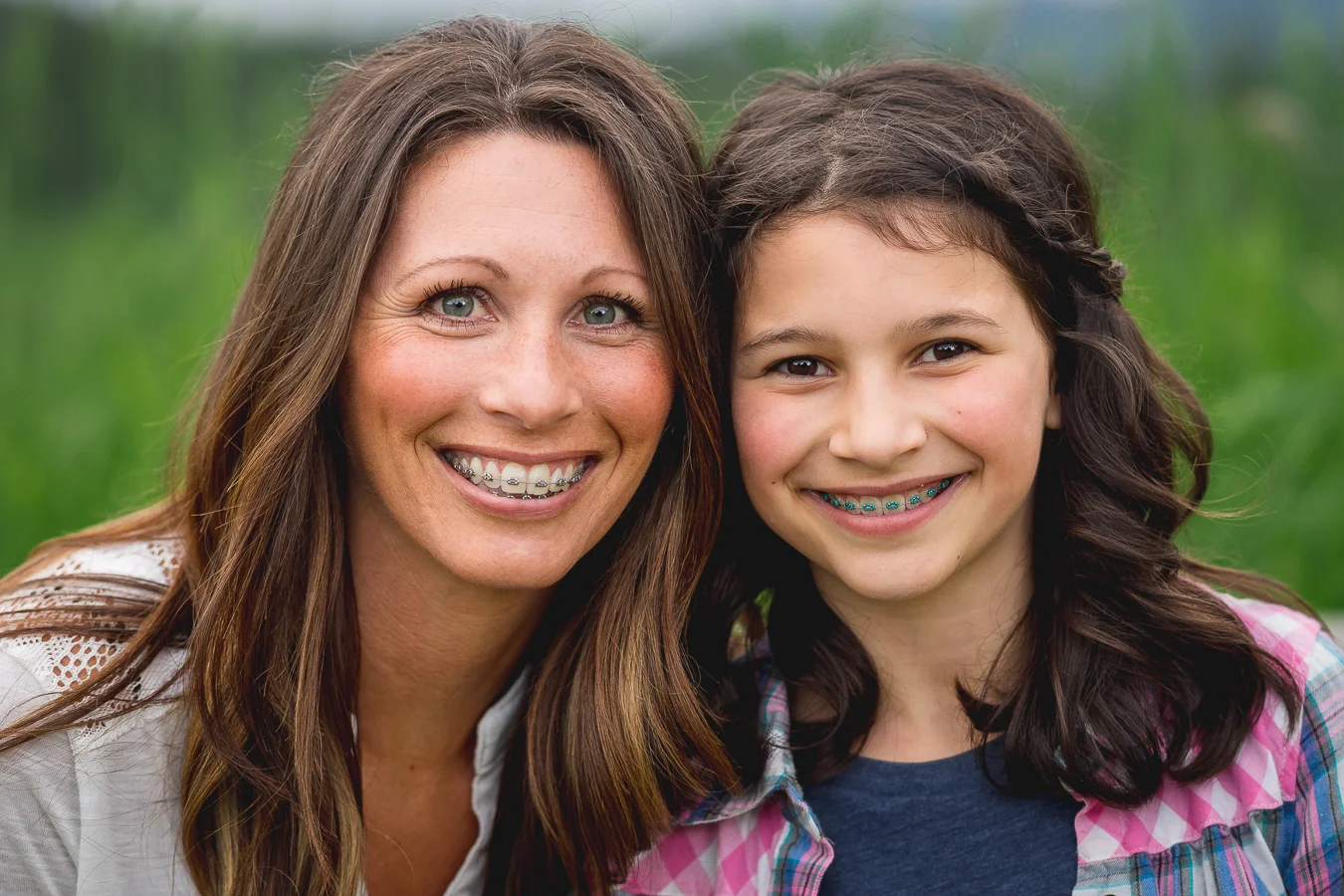
Smiling mother and daughter both wearing braces outdoors

Two Phases. One Confident Smile.

Early orthodontic treatment often happens in two distinct phases. Here’s what each one means for your child:

1

Phase 1 — Early Intervention (Ages 7–10)

Phase 1 treatment takes place while your child still has a combination of baby and adult teeth. The focus here isn't on perfect alignment, it's on creating the right foundation. This might involve:

  • Expanding the jaw to make room for incoming teeth
  • Correcting crossbites, underbites, or other bite problems
  • Addressing harmful oral habits like thumb sucking
  • Reducing the risk of tooth trauma from protruding front teeth
  • Phase 1 typically lasts 9–18 months and is followed by a resting period where Dr. Paul monitors your child's continued development.

2

Phase 2 — Full Treatment (Ages 11 and Up)

Phase 2 begins once most or all of the adult teeth have come in. This is when we fine-tune everything, aligning the teeth, perfecting the bite, and creating the lasting smile your child will carry into adulthood. Phase 2 may involve traditional braces or clear aligners, depending on your child's needs and preferences.

Not every child needs Phase 1. And that's okay. Dr. Paul will always give you his honest recommendation, even if the recommendation is simply to wait and watch.

Treatment Options We Offer for Kids

At Kulits Orthodontics, early care isn’t one-size-fits-all. Dr. Paul draws on a range of tools and techniques, each one chosen to fit your child’s specific needs, growth stage, and lifestyle.

Traditional braces remain one of the most reliable ways to correct alignment and bite issues in children. Today’s braces are smaller, more comfortable, and even a little fun. Kids can pick their band colors to make the experience their own. Dr. Paul has been placing braces with care and precision since 1992, and he knows how to make kids feel comfortable every step of the way.

KO smile logo on blue background

Braces for Kids

Traditional braces remain one of the most reliable ways to correct alignment and bite issues in children. Today's braces are smaller, more comfortable, and even a little fun. Kids can pick their band colors to make the experience their own. Dr. Paul has been placing braces with care and precision since 1992, and he knows how to make kids feel comfortable every step of the way.

KO smile logo on blue background

Jaw Growth & Guidance (Dentofacial Orthopedics)

Dr. Paul is trained in both orthodontics and dentofacial orthopedics, which means he doesn't just move teeth; he guides the entire facial structure. Using expanders, functional appliances, and targeted monitoring, he helps shape healthy jaw development during your child's most critical growth years.

KO smile logo on blue background

Palate Expanders

A palate expander gently widens the upper jaw to create more room for permanent teeth and improve the relationship between the upper and lower jaw. It's one of the most effective tools in early orthodontic care and works best while the jaw is still growing.

KO smile logo on blue background

Space Maintainers

If your child loses a baby tooth early, a space maintainer holds the gap open so the permanent tooth can come in correctly. This simple appliance can prevent crowding and misalignment without more extensive treatment later on.

KO smile logo on blue background

Habit Appliances

Persistent thumb sucking, tongue thrusting, or pacifier use can affect how the jaw develops over time. Habit appliances are gentle devices designed to discourage these behaviors and protect your child's bite while they're still growing.

KO smile logo on blue background

Growth Monitoring (Observation)

Sometimes the best treatment is watchful waiting. Dr. Paul monitors many young patients over time, tracking their jaw and tooth development and stepping in only when treatment will make a meaningful difference. There's no rushing here, and there's never pressure to start treatment before it's truly needed.


Dr Paul Kulits of Kulits Orthodontics

Why Snohomish County Families Trust Dr. Paul Kulits With Their Kids

“We have been going here since my brother and I were kids, and now my son goes here! They are kind and very knowledgeable.” — Savannah H.

Dr. Paul Kulits has been caring for children’s smiles in Snohomish County since 1992. He’s a board-certified orthodontist (ABO-certified), and he brings that level of training and expertise to every single appointment. But credentials only tell part of the story. What sets Dr. Paul apart is the way he makes kids feel. His office is warm, his team is friendly, and he takes the time to explain everything to both children and parents in a way that’s easy to understand and completely stress-free.

Generations of Snohomish County families have grown up with Dr. Paul. It’s not unusual to see a parent in the chair who was once a patient themselves, now bringing in their own kids. That kind of trust is something you can’t manufacture. It’s earned, visit by visit, smile by smile.

What to Expect at Your Child's First Orthodontic Visit

We know that the first visit can feel like a big deal, for both you and your child. We’ve made it as welcoming and low-key as possible. Here’s what typically happens:

Blue heart with KO letters and a smile

A Warm Welcome

From the moment you walk in, our team makes sure your child feels comfortable. No clinical pressure, no rushing. Just a friendly greeting and a chance to get settled.

Blue heart with KO letters and a smile

A Thorough Evaluation

Dr. Paul will examine your child's teeth, bite, and jaw development. We may take X-rays if needed to get a full picture of what's happening beneath the surface.

Blue heart with KO letters and a smile

An Honest Conversation

After the evaluation, Dr. Paul will sit down with you and explain exactly what he sees. If treatment is needed, he'll tell you why, what it involves, and when to start. If it's not needed yet, he'll tell you that too, and what to watch for going forward.

Blue heart with KO letters and a smile

Zero Pressure

There's no obligation to start treatment at the first visit. Our goal is to give you information and confidence, not a hard sell. You leave with clarity, not confusion.

Ready to Give Your Child the Best Start?

Kulits Orthodontics serves families across Arlington, Everett, and all of Snohomish County. Whether your child is 7 or 12, there’s no better time to find out where their smile stands.

Contact us and schedule a complimentary consultation with Dr. Paul today, and leave with answers, not guesses.

Book Your Free Consultation  |  Arlington: (360) 435-2764  |  Everett: (425) 355-8730

Two Locations. One Trusted Team.

Arlington: 302 E 3rd St, Arlington, WA 98223

Everett: 7404 Evergreen Way, Everett, WA 98203

Email: info@kulitsortho.com

Frequently Asked Questions About Early Orthodontics for Kids

The American Association of Orthodontists recommends a first evaluation by age 7. At this age, Dr. Paul can assess whether your child’s jaw and bite are developing properly, identify any concerns early, and determine whether treatment is needed now or down the road. In many cases, early visits simply result in a monitoring plan, and that’s perfectly normal.
Often, yes, most children who go through Phase 1 will still need a Phase 2 treatment (braces or aligners) once all their adult teeth are in. However, Phase 1 can shorten Phase 2 treatment time, reduce complexity, and even prevent the need for tooth extractions. Think of Phase 1 as laying the right foundation and Phase 2 as finishing the job.
Most kids experience little to no discomfort during early treatment. With appliances like expanders or habit devices, there may be a brief adjustment period, some mild pressure or slight soreness for a day or two, but this typically passes quickly. Dr. Paul and our team will walk your child through every step, and we always make sure kids know what to expect before anything new begins.
Many dental insurance plans do cover a portion of orthodontic treatment, including Phase 1, up to a lifetime orthodontic maximum. Our team at Kulits Orthodontics is happy to help you review your benefits and understand exactly what’s covered. We also offer flexible financing options so that cost is never a barrier to your child getting the care they need.